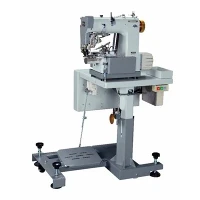
Properly matching needle, thread, and fabric is crucial for optimal sewing machine operation and final product quality.
I. Sewing Machine Needle Knowledge
The sewing machine needle piercing the fabric must harmonize with fabric thickness and density. Mismatched needles can cause frustrating issues like needle breakage, skipped stitches, puckering seams, and even damage to the fabric itself.
Industrial sewing machines utilize needles ranging from fine 5's to thick 26's. While lightweight fabrics take smaller, sharp needles, heavy canvas, and denim can withstand pounding from a size 16 or 23 thick needles. Matching needle size to fabric weight prevents unwanted needle deflection or breakage. Most common household machines accommodate universal needle sizes 11, 12, or 14.
Needle components include the shank clamped by the needle bar, the shaft passing through fabrics, and point-piercing layers. Based on point shape, common types are sharp for wovens and ballpoint for knits. Sharp points slice through fabrics neatly while ballpoints separate fibers more gently to preserve fabric structure.
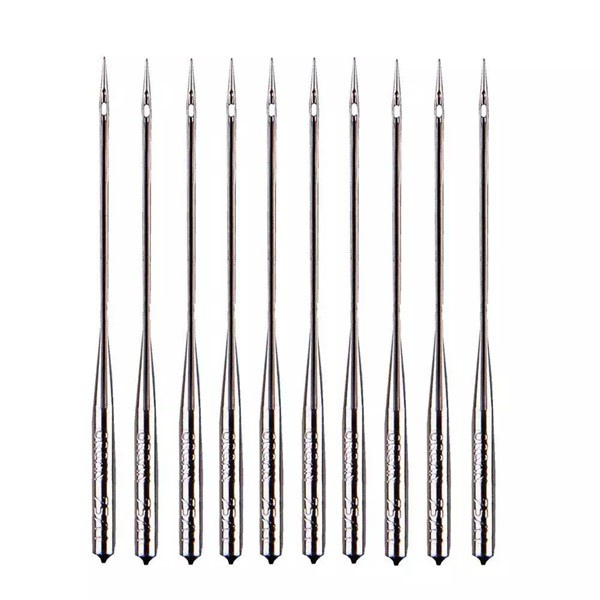
Less understood dimensions like blade thickness, front groove depth, eye shape, and scarf angle also influence suitability for various fabrics. For example, needles with narrower blades minimize fabric hole size.DEEPER front grooves accommodate heavier threads that would otherwise overflow the needle eye. Manufacturers offer hundreds of specialized needle types engineered for leather, vinyl, microfibers, and other fabrics, considering thickness, density, stretch, abrasiveness, and more material properties.
II. Thread Selection Guidelines
Like needles, threads interfacing with fabrics must also match their characteristics to create durable, quality seams. Thread itself comes in natural or synthetic forms, from sturdy denim thread for jeans to fine silks for couture detail work.
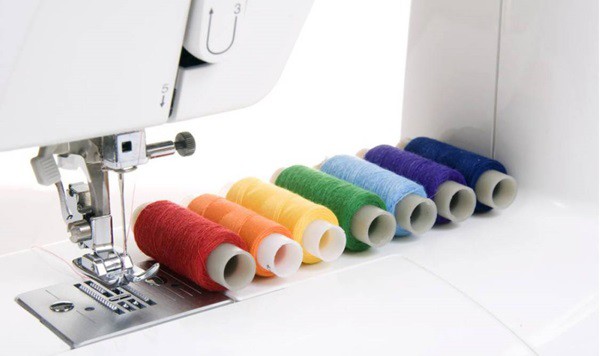
Consider fiber type, weight, twist, waxing/glazing, and other parameters when selecting thread. Lightweight, smooth threads prevent seam tension and slip through fabrics easily, while heavy-duty options stand up to high-speed and tension sewing machines without breaking. Match thread weight to fabric weight and needle size for best functionality.
Thread twist direction also affects seam integrity and strength. Generally, natural fibers and delicate synthetics use a Z twist, while industrial polyesters and nylons twist to the right. Understanding these distinctions allows for troubleshooting issues like poor stitch formation, uneven tensions, fraying, breakage, or machine jams.
III. Importance of Fabric-Needle-Thread Relationship Analysis
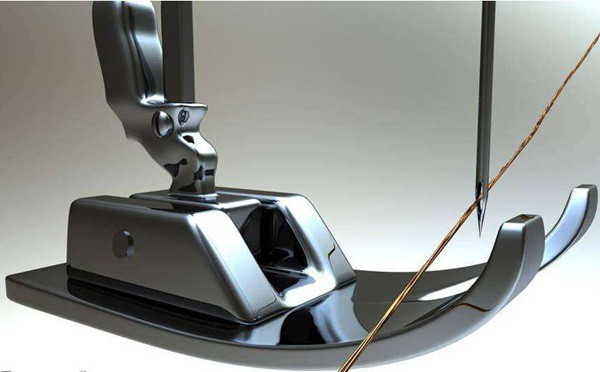
Rather than memorizing needle or thread details alone, focus on their interrelationships with fabrics for ideal stitch creation. Consider thread and fabric characteristics, then select the best intermediate needle size, point style, and dimensions. Properly balancing those triangle forces prevents problems like seam damage, broken threads/needles, unfinished margins, and frustrations!
Topeagle has a strong technical force, the company's customers cover the whole country and are exported to foreign countries and all over China. Welcome to contact us at sale@eagleco.cn to purchase Industrial Sewing Machines.