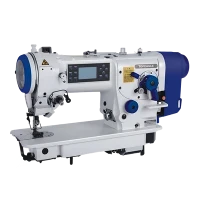
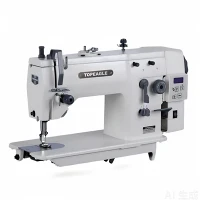
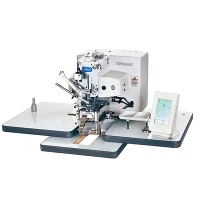
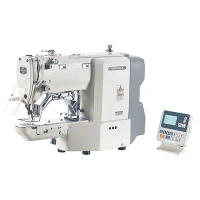
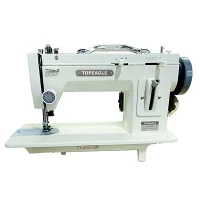
Rotary arm sewing machines are specialized machines used for sewing heavy or difficult-to-handle materials, typically in industrial or specialized settings. They have unique features that set them apart from conventional flatbed sewing machines. Here's an overview of their characteristics and

applications:
Characteristics of Rotary Arm Sewing Machines:
Rotary Arm Design:
The most distinguishing feature is the rotary arm, where the needle and feed mechanism rotate around the sewing area. This design allows for better maneuverability and access to the fabric.
The arm is often "L" or "U" shaped and can be extended to accommodate large or bulky items.
Large Sewing Space:
The rotary arm allows for a larger sewing area, especially on materials that require more space or flexibility, such as large fabrics or leather.
Continuous Feed Mechanism:
Rotary arm machines often utilize a continuous feed mechanism where the fabric moves more smoothly as it's sewn, helping with consistency in stitching.
Ability to Sew Curves and Tight Spaces:
Because the sewing head is more flexible, these machines are ideal for curved seams and intricate sewing tasks. This makes them useful for applications requiring fine detailing.
Heavy Duty Construction:
These machines are built to handle thicker fabrics, such as leather, canvas, and upholstery materials. They often feature a robust motor, allowing them to sew through heavy-duty materials with ease.
Higher Speed and Efficiency:
Rotary arm sewing machines tend to operate at faster speeds than traditional machines, increasing productivity in industrial environments.
Versatility in Stitch Types:
Depending on the model, rotary arm machines can perform various stitch types such as straight stitching, zigzag stitching, and decorative stitching, making them adaptable to different sewing needs.
Precision and Consistency:
They offer high levels of precision, ensuring that seams are even and consistent, even with challenging materials.
Applications of Rotary Arm Sewing Machines:
Leather Work:
Ideal for sewing leather products such as shoes, bags, belts, and saddlery. The ability to handle thick, heavy materials makes them a go-to choice in leather workshops.
Upholstery:
Rotary arm machines are often used in the furniture and automotive upholstery industries due to their ability to stitch through heavy fabric, vinyl, and even multi-layered materials.
Shoe Manufacturing:
The machine is popular in the production of footwear, especially when dealing with curved and intricate stitching that shoe soles and uppers require.
Automotive Interiors:
For stitching seats, door panels, and other interior parts, rotary arm machines are used because they can handle tough materials and tight spaces inside vehicles.
Bags and Luggage:
The flexibility of rotary arm machines allows them to stitch complex designs and shapes found in bags, luggage, and other accessories.
Industrial Fabrics:
For tasks such as sewing tarps, sails, tents, and other heavy industrial fabrics, rotary arm sewing machines are used for their durability and heavy-duty capabilities.
Sports Equipment:
These machines are useful in the manufacturing of sports goods such as gloves, pads, and jerseys, where strength and flexibility of the stitching are essential.
Textile Industry (Specialized Jobs):
They are also used for high-precision sewing tasks, such as joining multiple layers of fabric or sewing in areas that require unique patterns and designs.
Conclusion:
Rotary arm sewing machines are highly versatile and crucial in industries where heavy-duty sewing tasks are required. Their design and capability to handle larger or irregularly shaped items make them essential in many industrial settings, from leather goods production to automotive manufacturing.