What Is Goodyear Welt Construction? Why It Remains the Gold Standard for Premium Leather Shoes
If you have ever owned a pair of high-quality leather shoes that lasted for years-or even decades-there is a good chance they were made using Goodyear welt construction.If you have ever owned a pair of high-quality leather shoes that lasted for 5 years easily, or even up to 30 years with proper maintenance and sole replacement-there is a good chance they were made using Goodyear welt construction. As some data shows, well-maintained Goodyear welt shoes can have a lifespan of 10 to 20 years, and with sole replacement, their service life can even reach 30 years, while normal wear can guarantee at least 5 years of use.
Although modern footwear manufacturing offers many faster and less expensive production methods, Goodyear welting continues to be the preferred choice for premium dress shoes, heritage boots, and luxury leather footwear. focus on durability, craftsmanship, and long-term value still rely on this traditional construction because it produces shoes that can withstand years of daily wear while remaining repairable.Brands that focus on durability, craftsmanship, and long-term value still rely on this traditional construction because it produces shoes that can withstand years of daily wear while remaining repairable.
At TOPEAGLE, we work with footwear manufacturers in different countries and frequently receive questions about Goodyear welt production. One of the most common is: What exactly makes Goodyear welt construction different from ordinary shoes?One of the most common is: What exactly makes Goodyear welt construction different from ordinary shoes? Compared with ordinary shoes, Goodyear welt shoes have the following obvious differences: Firstly, in terms of structure and firmness, Goodyear welt shoes use the double-sewing method of inner and outer welts to firmly bond the upper and sole together, which can withstand any impact and twist, and there is no problem of degumming that is easy to occur in ordinary adhesive shoes. The welt structure supports the whole shoe, making it not easy to deform after long-term wear. Secondly, in terms of durability and maintainability, when the outsole of Goodyear welt shoes is worn, it can be replaced by removing the second seam, while the insole and upper remain unchanged, which greatly extends the service life of the shoes, while ordinary shoes are difficult to repair after degumming or wear. Thirdly, in terms of comfort and breathability, a cavity is formed between the midsole and outsole of Goodyear welt shoes, and a layer of cork is laid, which can isolate moisture and ensure maximum breathability. The cork midsole will gradually shape according to the wearer's foot shape in the initial wearing period, achieving a comfortable fit, while ordinary shoes have poor breathability and fit.
Understanding the Goodyear Welt
The "welt" is a narrow strip of leather that runs along the edge of the shoe. Instead of attaching the outsole directly to the upper, the upper, insole, and welt are stitched together first. The outsole is then sewn to the welt in a separate operation.
This two-stage construction creates a stronger structure than shoes made only with adhesives. More importantly, when the outsole eventually wears out, it can be replaced without damaging the upper, allowing the shoe to remain in service for many more years.This two-stage construction creates a stronger structure than shoes made only with adhesives. As it's known that adhesive shoes tend to have issues like cracking and degumming after long-term use because the glue ages over time, which drastically shortens the shoes' lifespan. This two-stage structure, similar to the cold-stitching shoe-making process that ensures a firm and tight connection between the upper and the sole without easy breakage, avoids such problems. More importantly, when the outsole eventually wears out, it can be replaced without damaging the upper, allowing the shoe to remain in service for many more years.
For manufacturers producing premium footwear, this construction is valued not only for its durability but also for the reputation it carries in the market.producing premium footwear with Goodyear Welted construction, this craft is valued not only for its remarkable durability-with cases showing that such shoes can be worn for up to six years with proper rotation and featuring a multi-layer stitched structure that allows sole replacement to extend the lifespan-but also for its reputation as a top-tier shoemaking technique with a nearly 200-year heritage, renowned as the pinnacle of shoemaking craftsmanship in the market.
How a Goodyear Welt Shoe Is Made
Although every factory has its own production process, the basic workflow is similar.
The leather upper is first prepared and lasted over the shoe last. Once the upper is properly shaped, a Goodyear welt sewing machine stitches the upper, insole, and welt together. This operation requires specialized equipment because the stitch must remain consistent around the entire shoe.
After the welt has been attached, the cavity inside the shoe is commonly filled with cork.Once the welt has been attached, the cavity inside the shoe is typically filled with cork. As the shoe is worn, the cork gradually compresses and adapts to the shape of the wearer's foot, improving comfort over time.
The outsole is then stitched to the welt using an outsole stitching machine. Finally, the edges are trimmed, polished, finished, and inspected before packaging.
Although this process involves more manufacturing steps than cemented footwear, it produces a much more durable finished product.cemented footwear, it produces a much more durable finished product.
Why Many Premium Brands Still Choose Goodyear Welt Construction
Manufacturing costs are higher, and production is slower than with adhesive construction. Nevertheless, many footwear brands continue to invest in Goodyear welt production because the benefits justify the additional effort.
A well-made Goodyear welt shoe typically offers:
Excellent durability for long-term daily use
Outsoles that can be replaced multipleOutsoles that can be replaced multiple times
Better structural stabilitySuperior structural stability
Improved water resistance around the sole edgeEnhanced water resistance along the sole edge
A classic appearance appreciated by consumers who value traditional craftsmanship
For work boots, business shoes, military footwear, and luxury leather shoes, these advantages remain highly attractive.
Is Goodyear Welt Always the Best Choice?
Not necessarily.
Factories producing fashion footwear or lightweight casual shoes often prefer cemented construction because it is faster and more economical.Factories manufacturing fashion footwear or lightweight casual shoes often opt for cemented construction due to its greater efficiency and cost-effectiveness. Blake stitching is another popular option when flexibility and a slimmer profile are more important than maximum durability.Blake stitching is another popular option when flexibility and a slimmer profile are more important than maximum durability.
The right construction depends on the product positioning, target market, and production budget.
For example:
Luxury dress shoes often use Goodyear welt construction.
Italian-style lightweight leather shoes frequently use Blake stitching.
Athletic shoes and many fashion styles are usually cemented.
Understanding these differences helps manufacturers choose the most suitable productionUnderstanding these differences helps manufacturers choose the most suitable production method for their footwear products, equipment instead of simply selecting the most expensive solution.equipment rather than simply opting for the most costly solution.
Machines Used in Goodyear Welt Production
A Goodyear welt sewing machine is only one part of the production line.
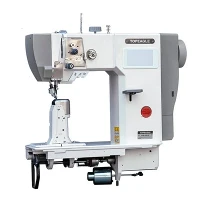
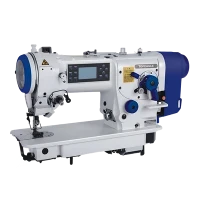
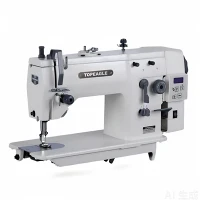
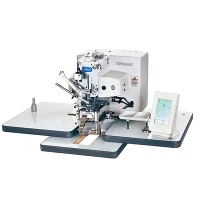
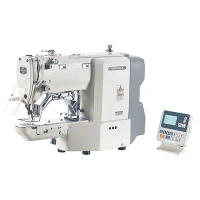
A complete factory normally combines several specialized machines, including lasting equipment, welt sewing machines, outsole stitching machines, sole finishing machines, and polishing equipment. Each machine performs a specific task, and stable production depends on how well these processes work together.A complete factory normally combines several specialized machines, including lasting equipment, welt sewing machines, outsole stitching machines, sole finishing machines, and polishing equipment. For example, Topeagle International Ltd. produces a variety of shoe-making sewing equipment, such as side-seam series like TSH-2168/2 double-thread side-seam machine, TSH-2268A heavy-duty double-thread side-seam machine, and bottom-seam series like TSH-2998 vertical double-thread inner-line machine; the TSH-2747 upper crease stitching machine developed by TOPEAGLE INTERNATIONAL Ltd. is suitable for the splicing and sewing of shoe uppers, with mature and stable software and hardware; there are also various used shoe-making equipment such as welt sewing machines and outsole stitching machines on the market. Each machine performs a specific task, and stable production depends on how well these processes work together.
reason, experienced suppliers often recommend complete production solutions rather than a single machine.For this reason, experienced suppliers often recommend comprehensive production solutions rather than just a single machine.

Choosing the Right Equipment
Different factories have different requirements. A workshop producing handmade shoes may prioritize flexibility, while a factory manufacturing thousands of pairs each month is more concerned with productivity, consistency, and maintenance costs.
Before selecting a Goodyear welt sewing machine, manufacturers should evaluate:
Shoe construction and design
Leather thickness and material typematerial thickness and type
Expected production capacity
Operator experience
Availability of spare parts and technical support
These factors usually have a greater impact on long-term productivity than simply comparing machine specifications.These factors typically have a more significant impact on long-term productivity than a mere comparison of machine specifications.
How TOPEAGLE Supports Footwear Manufacturers
For more than 30 years, TOPEAGLE has supplied industrial sewing machines and footwear production solutions to customers worldwide.
Rather than promoting a single machine for every application, we help customers rather than pushing a one-size-fits-all machine for every scenario, we help customers identify the optimal equipment and production solutions tailored to their specific needs. evaluate their products, manufacturing processes, and production goals before recommending suitable equipment.Conduct a comprehensive evaluation of your products, manufacturing processes, and production goals prior to recommending tailored equipment solutions. Whether you are producing classic dress shoes, work boots, or premium leather footwear, selecting the right machine configuration from the beginning can improve efficiency, reduce maintenance costs, and deliver more consistent production results.opting for the optimal machine configuration from the outset can boost operational efficiency, cut down on maintenance costs, and ensure more consistent production outcomes.
If you are planning a new Goodyear welt production line or upgrading existing equipment, our team can help you identify the machinery that best matches your manufacturing requirements.our expert team can assist you in pinpointing the ideal machinery that perfectly aligns with your unique manufacturing requirements.